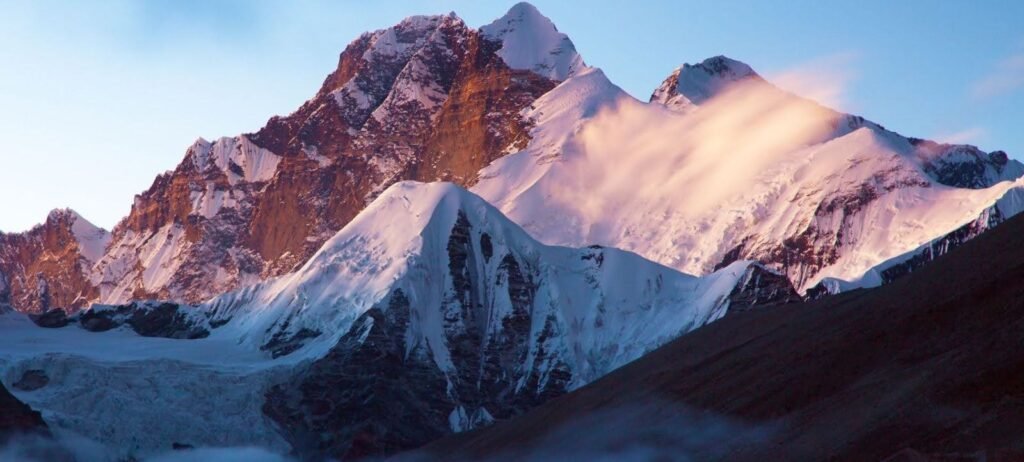
What this travel file helps you decide
The Himalayas have a reputation for extreme, expedition-level trekking, and that scares off a lot of people who’d otherwise love the experience. The truth is, plenty of Himalayas trekking routes are genuinely accessible for beginners — no mountaineering experience required, just reasonable fitness and the right preparation. I…
The Himalayas have a reputation for extreme, expedition-level trekking, and that scares off a lot of people who’d otherwise love the experience. The truth is, plenty of Himalayas trekking routes are genuinely accessible for beginners — no mountaineering experience required, just reasonable fitness and the right preparation.
I did my first Himalayan trek with basically zero prior experience, more nervous energy than confidence. It remains one of the best trips of my life.
What Makes a Himalayan Trek “Beginner-Friendly”?
Quick answer: beginner-friendly Himalayan treks typically stay below 4,500 meters altitude, run 3-7 days, follow well-established trails with teahouse accommodation, and don’t require technical climbing skills or specialized mountaineering gear.
Poon Hill Trek, Nepal
Probably the single most popular beginner trek in Nepal, and for good reason. Poon Hill takes 4-5 days round trip, tops out around 3,210 meters, and rewards you with a sunrise view over Annapurna and Dhaulagiri that genuinely stops conversation. Teahouses line the entire route, so you don’t need camping gear.
- Duration: 4-5 days
- Max altitude: ~3,210 meters
- Difficulty: Moderate, suitable for reasonably fit beginners
Kedarkantha Trek, India
In the Indian Himalayas, Kedarkantha has become the go-to first trek for a lot of Indian trekkers, and increasingly for international visitors too. Winter brings snow-covered trails and genuinely stunning summit views, while it’s less crowded than the more famous Nepal routes.
Triund Trek, Himachal Pradesh
If you want a genuine taste of Himalayan trekking without committing multiple days, Triund near McLeod Ganj is a solid 9km one-way trek achievable in a single long day, or split over two with an overnight camp. It’s become popular enough that weekends get crowded — go on a weekday if you can.
Langtang Valley Trek, Nepal
A bit longer and slightly more remote than Poon Hill, Langtang offers a genuinely different cultural experience, passing through villages affected by the 2015 earthquake that have since rebuilt with real resilience. Around 7-8 days round trip, with teahouse accommodation throughout.
Chopta-Tungnath-Chandrashila, Uttarakhand
Home to one of the highest Shiva temples in the world, this trek combines spiritual significance with genuinely gorgeous alpine meadows. It’s short enough (2-3 days) for a weekend trip from Delhi, making it a favorite among first-time trekkers from northern India.
Essential Preparation for First-Time Himalayan Trekkers
- Start cardio training at least 6-8 weeks before your trek — stairs, hiking, or running all help
- Break in your trekking boots well before the trip; new boots on day one is a recipe for blisters
- Pack layers rather than one heavy jacket — mountain weather shifts fast
- Budget extra days for altitude acclimatization on anything above 3,000 meters
Altitude Sickness — What Beginners Need to Know
Even moderate-altitude beginner treks can trigger mild altitude sickness. Symptoms like headache, nausea, or dizziness usually mean you need to slow down, hydrate more, and avoid ascending further until they pass. Most beginner routes listed here stay low enough that severe altitude sickness is uncommon, but it’s not impossible — take it seriously if symptoms appear.
[link to related guide about desert safari adventures here]
FAQ
Do I need prior experience for a beginner Himalayan trek? No, most beginner routes require only reasonable fitness — regular walking or light cardio training beforehand is usually sufficient preparation.
What’s the easiest Himalayan trek for a first-timer? Triund in Himachal Pradesh is often considered the easiest, given its short distance and accessibility from McLeod Ganj.
Is a guide necessary for beginner treks in the Himalayas? It’s not always mandatory, but strongly recommended, particularly for first-timers unfamiliar with altitude and mountain trail navigation.
What’s the best season for Himalayan trekking? Spring (March-May) and autumn (September-November) generally offer the most stable weather for beginner treks.
How fit do I need to be for a beginner Himalayan trek? Being able to comfortably walk 10-15km on varied terrain is a reasonable baseline; a few weeks of dedicated cardio training beforehand makes a noticeable difference.
Conclusion
Himalayas trekking doesn’t have to mean expedition-level extremes right out of the gate. These beginner routes offer a genuine taste of the mountains — the views, the teahouse culture, the sense of accomplishment — without requiring technical climbing skills. Start with one of these, build some experience and confidence, and the more ambitious routes will feel a lot more approachable down the line.
Route Fit
Check whether the location, timing and travel pace match the way you actually want to move.
Proof Check
Verify live prices, entry rules, transport schedules and opening hours before committing.
Backup Tag
Keep one flexible alternative for weather, delays, sold-out inventory or changing local conditions.
Pack the decision, not unnecessary complexity.
Use this guide as a working travel file, then verify the few details that can change close to departure.

ehyperlinkinfo@gmail.com
Practical travel research focused on clearer routes, better stays and more confident local decisions.