What this travel file helps you decide
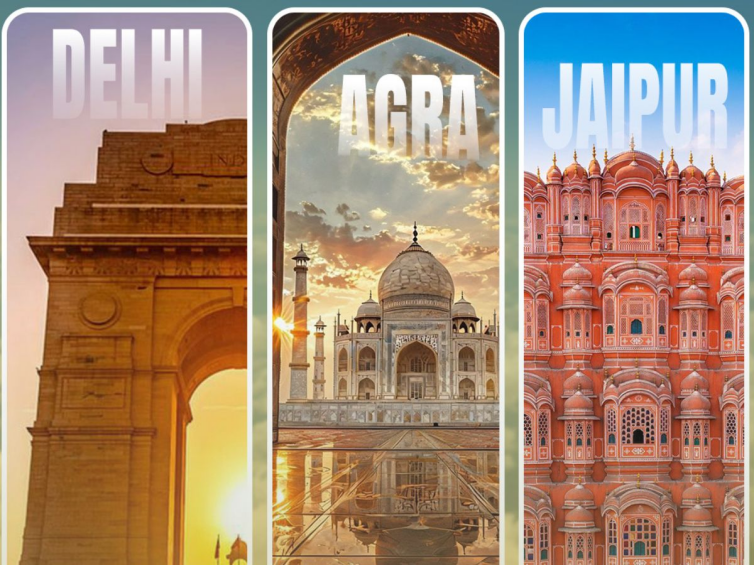
Open a map of northern India, mark Delhi, Agra, and Jaipur, and join the dots. The shape that appears is a rough triangle, and the travel industry has been selling it for decades as the Golden Triangle. It is the route most visitors choose when they want a…
Open a map of northern India, mark Delhi, Agra, and Jaipur, and join the dots. The shape that appears is a rough triangle, and the travel industry has been selling it for decades as the Golden Triangle. It is the route most visitors choose when they want a first, well-rounded look at India’s history, architecture, and street life without crisscrossing the whole country.
Yet for anyone planning a trip, the name raises practical questions. What exactly is a Golden Triangle tour? Which places does it cover? What do you actually get when you book one, and what is left for you to arrange? This guide answers all of that in plain language so you can read any itinerary with confidence.
What Is a Golden Triangle Tour?
A Golden Triangle tour is a guided or self-planned journey that connects three historic cities of the north: Delhi, Agra, and Jaipur. Golden Triangle travelers usually begin in Delhi, move on to Agra, continue to Jaipur, and then return to Delhi for their onward flight or train. Because the three cities form a loop, you never have to backtrack along the same road, which is one reason the route feels so smooth.
The name is a tourism label rather than an official geographic term. You will not find it on a government map, but it is understood everywhere, from small guesthouses to international airlines. The word “golden” hints at the wealth of heritage packed into a small region, while “triangle” simply describes the shape of the loop.
Each leg of the journey covers roughly 230 to 270 kilometers, so the whole circuit can be completed in just a few days. That compact size explains why it appeals to people with limited leave, those visiting India for the first time, and travelers who prefer an organized trip over a long, improvised one.
Why Is It Called the Golden Triangle?
The label grew out of tourism rather than history. As more visitors began exploring India by road and rail, tour operators noticed that most itineraries kept returning to the same three cities. Delhi had the airports and the capital’s landmarks, Agra had the Taj Mahal, and Jaipur offered the first taste of royal Rajasthan. Grouping them under one memorable name made them easier to describe and sell.
The Golden Triangle nickname has stuck because it fits. Few other trips in the world combine a modern capital, a celebrated monument of love, and a fortified desert city within such a manageable distance.
· The 3 Cities That Are the Center of the Golden Triangle
· Delhi, starting point and also destination
· Delhi has been a capital city more than once, and the different layers of history lie side by side in this fascinating city.
· Old Delhi: the Red Fort, Jama Masjid, and the numerous restaurants and shops in Chandni Chowk were built by the Moguls.
· New Delhi: the wide boulevards, India Gate, and government buildings were erected in colonial times
· In Delhi, one can discover a number of World Heritage sites, including Humayun’s Tomb and the Qutub Minar, both of which are definitely worth a visit.
At the same time, the local market is well worth a visit, offering a wide variety of things to eat and traditional Indian goods. Delhi is a great place to sample local life and color.
Agra, the city of the Taj Mahal
Agra is significantly smaller than Delhi and is best known for housing the Taj Mahal, one of the most impressive buildings in the world. The city offers several attractions of this kind, so it is well worth a visit to experience Indian architecture and admire the Taj Mahal, one of the masterpieces of Shah Jahan, the emperor who built it as a monument to his beloved wife.
Agra is famous for:
· The Taj Mahal,
· Agra Fort,
· Itimad-ud-Daulah’s Tomb,
· Mehtab Bagh gardens,
· Fatehpur Sikri, an abandoned Mughal city near Agra, usually visited on the way to Jaipur.
Jaipur, the capital of Rajasthan
It is here, in Rajasthan, that the Mughal dynasty is replaced by the Rajput dynasty, and the architecture changes completely. Jaipur is also called the Pink City because of the distinctive color of some of its buildings.
Among the highlights of Jaipur, the Amber Fort deserves special mention, with its stunning marble work and intricate carvings.
· City Palace: A complex that still includes living quarters of the former royal family, along with museums and courtyards.
· Jantar Mantar: An eighteenth-century observatory filled with giant stone instruments.
· Hawa Mahal: The honey-comb facade known as the Palace of Winds
· Bazaars: Lanes full of textiles, jewelry, blue pottery and handicrafts.
What does a typical Golden Triangle tour include?
Inclusions vary from operator to operator and most package tours follow more or less the same pattern. Understanding the usual components helps you compare options sensibly.
Accommodation
Hotels are arranged in each city, normally with breakfast. Options range from simple, comfortable properties to heritage hotels set in restored palaces. Pay attention to the location, since a hotel close to your sightseeing zone saves a lot of travel time.
Transport
Most tours include a private air-conditioned vehicle with a driver for the road journeys between cities and for local sightseeing. Some itineraries swap the first road leg for a quick rail hop from Delhi to Agra. The arrangement is typically clear in the itinerary, including pickup from the airport or station and drop-off at the end.
Sightseeing and Guides
A licensed local guide is often arranged at major monuments. A good guide adds stories, context, and practical tips that you would otherwise miss. Some tours provide a guide in every city, while others include them only at selected sites.
Entrance Tickets
Monument entry fees may or may not be included. This detail matters, so check the itinerary rather than assuming. Popular sites such as the Taj Mahal and Amber Fort also have separate tickets for special areas, which a good operator will explain in advance.
Meals
Breakfast is the most common inclusion. Lunch and dinner are often left open so you can try local restaurants, although some packages bundle certain meals. If you have dietary requirements, mention them early.
Extras and Experiences
Many itineraries add optional experiences that deepen the trip. Typical examples include a rickshaw ride through Old Delhi, a sunrise visit to the Taj Mahal, a cooking class, a block-printing workshop, or a cultural evening with music and dance.
What Is Usually Not Included in a Golden Triangle Package?
Knowing what falls outside a tour is just as useful as knowing what is inside. These items are commonly left to the traveler:
· International and domestic flights
· Visa fees and travel insurance
· Personal shopping and souvenirs
· Tips for guides and drivers
· Camera fees at certain monuments
· Optional activities not listed in the itinerary
Reading the “inclusions” and “exclusions” lists carefully will prevent surprises later.
A Typical Day on the Golden Triangle Route
Imagine a classic transfer day between Agra and Jaipur. You wake early and visit the Taj Mahal while the marble is soft and the crowds are light. After breakfast, your driver sets off toward Rajasthan. Midway, you stop at Fatehpur Sikri to walk through its courtyards, then pause for lunch at a roadside restaurant. By late afternoon, you reach Jaipur, check in, and take a gentle evening walk through the old city bazaars.
Days like this show the rhythm of a Golden Triangle trip: one or two big sights, a comfortable stretch of road, and time to rest. A good itinerary keeps this balance rather than cramming in everything.
Types of Golden Triangle Tours
Not every traveler wants the same style of trip, and the Golden Triangle can be shaped in several ways.
Private tours you travel with your own vehicle and driver, and the schedule can be adjusted to your pace. This format suits families, couples, and small groups.
Group tours you join a small set of fellow travelers, share the vehicle and guide, and follow a fixed schedule. Group tours are social and simple to arrange, though they are less flexible.
Heritage and luxury tours these focus on stays in palace hotels, personalized guiding, and curated experiences.
Self-guided trips some travelers book hotels and trains independently. This requires more research but offers maximum freedom.
Themed tours Variations focus on photography, food, crafts, spirituality, or wildlife.
Planning Your Golden Triangle Tour around the Season
The best months for an easy trip run from October to March, when days are mild and evenings are cool. Winter mornings can bring fog, so pack layers and allow for delays. The summer months are hot, which makes early starts and afternoon breaks essential. The monsoon season brings greener landscapes, occasional downpours, and thinner crowds. Whatever the month, a flexible plan works best.
Choosing a Golden Triangle India Tour That Suits You
With so many formats on offer, it helps to match the tour to your own travel style. If you are comparing options, a clear, well-explained Golden triangle India tour will list the hotels, vehicle type, guide arrangements, and entry tickets in plain detail, so you can see exactly what you are getting. Whichever plan you pick, look for clarity on these points:
1. The day-by-day schedule. Does it leave enough time at each monument?
2. The inclusions and exclusions. Are tickets, meals, and guides spelled out?
3. The hotel locations. Are they convenient for sightseeing?
4. The pace. Does the plan feel relaxed or rushed?
5. Flexibility. Can you adjust a day if your interests change?
How Long Does a Golden Triangle Tour Take?
Most Golden Triangle itineraries run between four and seven days. Shorter plans suit travelers who want only the headline sights, while longer ones add Fatehpur Sikri, more time in Jaipur, or side trips to places such as Ranthambore National Park for wildlife. Many travelers also extend the loop into wider Rajasthan, adding cities like Udaipur or Jodhpur for a longer holiday.
Details Golden Triangle Travelers Often Overlook
Even well-prepared Golden Triangle visitors miss a few practical details.
· Fridays are a no-go for the Taj Mahal. Build your itinerary around that weekly closure.
· Dress respectfully. Covered shoulders and knees are expected at religious sites.
· Carry some small cash. Tips and small purchases are easier with smaller notes.
· Stay hydrated. Drink bottled or filtered water and carry a refillable bottle.
· Respect animal welfare. Choose ethical alternatives to activities involving animals.
Who Is the Golden Triangle Best For?
The Golden Triangle is a less natural fit for people who dislike long road journeys, crowds, or hot weather, or for those who want pure wilderness or beach time.
Final Thoughts
A Golden Triangle tour is, at heart, a well-trodden path through three of northern India’s most remarkable cities. It combines monuments, markets, food, and local life into a trip that is easy to organize and rich in memories. Knowing what such a tour includes, and what it leaves out, puts you in a better position to choose a plan with confidence. Companies like Star India Tours frequently advise guests to study each itinerary line by line, because the small details are what make a trip run smoothly.
Frequently Asked Questions
1. What is a Golden Triangle tour? It is a travel circuit linking Delhi, Agra, and Jaipur across the north of the country. Travelers usually start and finish in Delhi, visiting the Taj Mahal in Agra and the forts and palaces of Jaipur along the way.
2. Which cities are included in the Golden Triangle?
The classic route includes Delhi, Agra, and Jaipur. Many itineraries also stop at Fatehpur Sikri, and some extend to Udaipur, Jodhpur, or Varanasi.
3. What does a standard Golden Triangle package include?
Most packages cover hotel stays, a private vehicle with a driver, and sightseeing in each city. Many also include a guide, breakfast, and sometimes entrance tickets. Always read the inclusions list to confirm.
4. What is the duration of Golden Triangle tour?
The tours usually last for about four to seven days. The shorter tours are quite rushed whereas the ones that last longer allow you to explore the places at a slower pace and have some leeway for other activities.
5. Is Golden Triangle suitable for first time visitors?
Yes, it is. The distances are short, the places are well connected and most importantly, the major tourist spots are quite easily accessible making it an ideal first destination for a lot of travelers.
6. Can I cover the Golden Triangle via trains instead of road trips?
Yes, you certainly can. There are high speed trains that cover the distance between Delhi and Agra and also connect to Jaipur. Most people tend to use a combination of trains and buses to cut down on the time that a road trip would otherwise take.
7. When is the Taj Mahal closed?
Not on Fridays, when it shuts to regular visitors. Choose a different day for Agra.
Route Fit
Check whether the location, timing and travel pace match the way you actually want to move.
Proof Check
Verify live prices, entry rules, transport schedules and opening hours before committing.
Backup Tag
Keep one flexible alternative for weather, delays, sold-out inventory or changing local conditions.
Pack the decision, not unnecessary complexity.
Use this guide as a working travel file, then verify the few details that can change close to departure.

ehyperlinkinfo@gmail.com
Practical travel research focused on clearer routes, better stays and more confident local decisions.