What this travel file helps you decide
Most people plan their India trip around avoiding the rains. That’s a mistake, honestly. Some of the best places to visit in India during monsoon season are at their absolute peak right when everyone else is staying home. The hills turn green overnight, waterfalls that are barely a…
Most people plan their India trip around avoiding the rains. That’s a mistake, honestly. Some of the best places to visit in India during monsoon season are at their absolute peak right when everyone else is staying home. The hills turn green overnight, waterfalls that are barely a trickle in summer suddenly roar, and hotel prices drop because the crowds thin out.
I used to be one of those people who’d cancel plans the moment monsoon forecasts showed up. Then a friend dragged me to Munnar in July a few years back, and — I’ll be honest — it completely changed how I think about the season.
Why Monsoon Travel in India Is Worth Considering
Monsoon season (roughly June to September, though it varies by region) transforms India’s landscape in ways summer and winter simply can’t match. Waterfalls swell, tea gardens turn a deeper green, and the usually parched Western Ghats come alive.
In short: monsoon season in India brings dramatically lush scenery, lower prices, and thinner crowds — making it one of the most underrated times to travel, especially for hill stations and coastal regions.
Munnar, Kerala
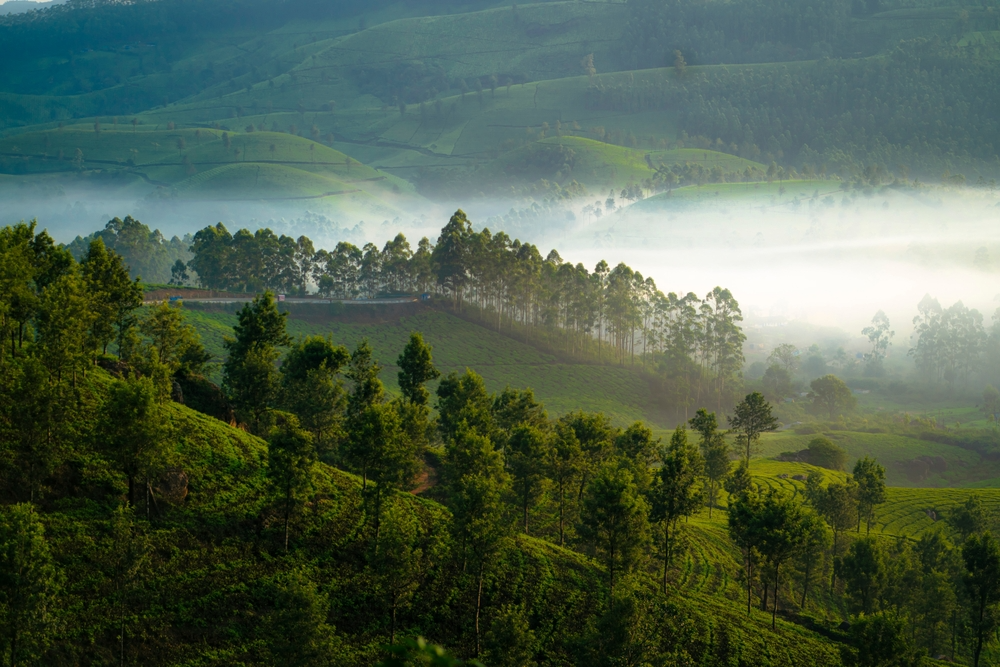
Munnar during monsoon is genuinely a different place from Munnar in peak season. The tea plantations turn a shade of green I honestly haven’t seen replicated anywhere else. Mist rolls through the valleys most afternoons, which makes for dramatic — if occasionally frustrating — photography.
- Average hotel prices drop 30-40% compared to December-January peak season
- Waterfalls like Attukad are at their most powerful
- Pack a good raincoat, not just an umbrella — the wind makes umbrellas nearly useless
Coorg, Karnataka
Coffee estates blanketed in fog, the smell of wet earth everywhere — Coorg in July is one of my personal favorites on this list. It does get genuinely heavy rain some days, so build flexibility into your itinerary rather than packing every day tight.
Goa’s Quieter Monsoon Side
Not the Goa most people know. Beach shacks close down, sure, but the Western Ghats around Goa’s interior — like Dudhsagar Falls — become an entirely different attraction during monsoon. Dudhsagar in July, with the falls running at full force, is worth the trip alone.
Udaipur, Rajasthan
Rajasthan in monsoon surprises a lot of people. Udaipur’s lakes fill up, the palaces reflect beautifully against overcast skies, and the usual desert heat backs off considerably. It’s a completely different feel from the dusty, scorching Udaipur of April and May.
Valley of Flowers, Uttarakhand
This one’s actually only accessible during monsoon — the trek typically opens in July and closes by early September. The valley bursts into hundreds of species of wildflowers, and if you time it right, it’s one of the most rewarding treks in the entire Himalayas.
Mahabaleshwar, Maharashtra
Close enough to Mumbai and Pune for a weekend trip, Mahabaleshwar during monsoon draws domestic travelers who know what they’re doing. Waterfalls, strawberry farms, and viewpoints shrouded in cloud — it’s a solid pick if you don’t want to travel too far.
Meghalaya — Cherrapunji and Mawlynnong
Meghalaya essentially defines monsoon in India — it’s one of the wettest places on Earth. The living root bridges near Cherrapunji are at their best when everything around them is soaked green. This isn’t a light-rain destination though; come prepared for serious downpours.
Practical Tips for Monsoon Travel in India
- Pack quick-dry clothing — cotton takes forever to dry in humid conditions
- Check landslide advisories for hill destinations before finalizing your route
- Book flexible cancellation hotels, since heavy rain can occasionally disrupt travel plans
- Carry waterproof bags for electronics — this one I learned the hard way
[link to related guide about Kerala travel itinerary here]
FAQ
Is it safe to travel in India during monsoon season? Mostly yes, though hill destinations can occasionally face landslide risks. Check local advisories and avoid trekking during heavy rain warnings.
Which Indian destinations should be avoided during monsoon? Extremely low-lying coastal areas prone to flooding, and certain Himalayan trekking routes outside of Valley of Flowers, can be risky or inaccessible.
Are hotel prices actually cheaper during monsoon? Yes, often significantly — many hill stations see 30-40% lower rates compared to peak winter season.
What should I pack for monsoon travel in India? A proper raincoat (not just an umbrella), quick-dry clothing, waterproof footwear, and dry bags for electronics.
Is Kerala or Meghalaya better for monsoon travel? Kerala offers a gentler, more accessible monsoon experience, while Meghalaya is more intense and better suited to travelers genuinely excited about heavy rain and remote landscapes.
Conclusion
Monsoon shouldn’t be the season you write off when planning a trip within India. Some of the best places to visit in India during monsoon season genuinely outshine their peak-season versions — greener, quieter, and easier on the wallet. Pack smart, stay flexible with your itinerary, and consider giving the rains a chance this year instead of waiting for winter like everyone else does.
Route Fit
Check whether the location, timing and travel pace match the way you actually want to move.
Proof Check
Verify live prices, entry rules, transport schedules and opening hours before committing.
Backup Tag
Keep one flexible alternative for weather, delays, sold-out inventory or changing local conditions.
Pack the decision, not unnecessary complexity.
Use this guide as a working travel file, then verify the few details that can change close to departure.

ehyperlinkinfo@gmail.com
Practical travel research focused on clearer routes, better stays and more confident local decisions.