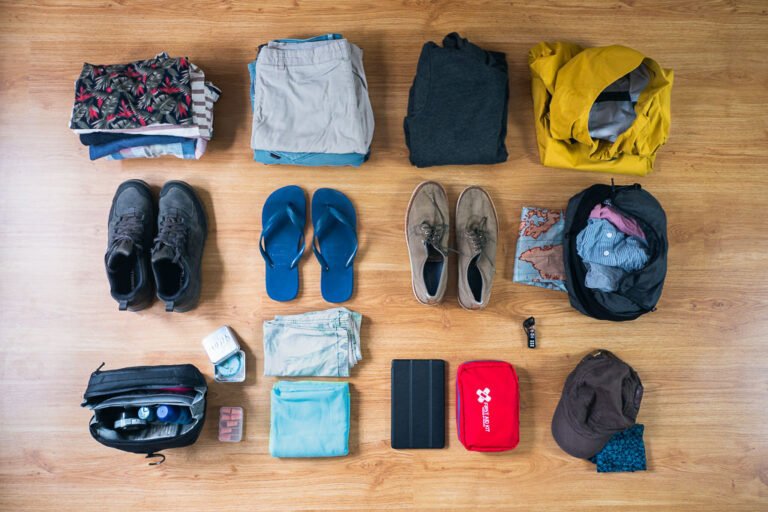
What this travel file helps you decide
Travel insurance is one of those things nobody thinks about until they desperately need it. I skipped it for years, honestly, treating it as an unnecessary expense — until a canceled flight and a friend’s hospital visit abroad changed my mind completely. These travel insurance tips come from…
Travel insurance is one of those things nobody thinks about until they desperately need it. I skipped it for years, honestly, treating it as an unnecessary expense — until a canceled flight and a friend’s hospital visit abroad changed my mind completely. These travel insurance tips come from actual experience, not just theory.
Do You Really Need Travel Insurance?
Quick answer: yes, for most international trips — travel insurance covers medical emergencies, trip cancellations, and lost luggage, and the cost (typically 4-8% of your total trip cost) is small compared to what an uncovered emergency abroad can cost.
What Travel Insurance Actually Covers
Coverage varies a lot by provider and plan tier, but the core categories usually include:
- Emergency medical expenses and evacuation
- Trip cancellation or interruption reimbursement
- Lost, stolen, or delayed baggage
- Travel delay compensation for missed connections
Common Gaps People Don’t Realize Until It’s Too Late
This is where most people get caught out. Standard policies often exclude adventure sports (skiing, scuba diving, bungee jumping) unless you specifically add a rider for them. Pre-existing medical conditions are another common exclusion — read the fine print carefully if this applies to you.
Medical Coverage Is the Most Important Piece
If you take away one thing from this article, let it be this: medical coverage matters more than trip cancellation coverage for most travelers. A hospital stay abroad, especially in countries like the US, can run into tens of thousands of dollars without insurance. I’ve heard genuinely frightening stories from friends who learned this the hard way.
How Much Should Travel Insurance Cost?
Generally, expect to pay 4-8% of your total trip cost for comprehensive coverage. A $3,000 trip might run $150-250 for solid coverage — not nothing, but a reasonable trade-off against the risk.
- Compare at least 3 providers before purchasing — prices and coverage details vary more than you’d expect
- Check the policy’s “cancel for any reason” option if your plans feel uncertain
- Read reviews specifically about the claims process, not just the coverage itself
When to Buy Travel Insurance
Buy it as soon as you book your trip, not right before departure. Some benefits — like “cancel for any reason” coverage or pre-existing condition waivers — only apply if purchased within a specific window after your initial trip deposit, often 14-21 days.
Filing a Claim: What Actually Works
Keep every receipt, every document, every piece of correspondence related to your claim. I learned this lesson after a friend’s baggage claim got delayed for weeks simply because they hadn’t kept the original luggage tag. Photograph everything before you even submit the claim.
[link to related guide about how to avoid jet lag here]
FAQ
Is travel insurance worth it for domestic trips? It’s less essential for domestic trips within your own country, though trip cancellation coverage can still be valuable for expensive bookings.
What’s not covered by standard travel insurance? Adventure sports, pre-existing medical conditions, and pandemic-related cancellations are commonly excluded unless specifically added.
How soon before my trip should I buy travel insurance? Ideally right after booking, since some valuable benefits require purchase within a set window of your initial deposit.
Does travel insurance cover flight cancellations by the airline? Often yes, though coverage details vary — check whether your policy covers airline-caused delays versus only personal-reason cancellations.
Can I get travel insurance if I already have a medical condition? Yes, though you may need a specific waiver purchased early, or a policy specifically designed to cover pre-existing conditions.
Conclusion
These travel insurance tips exist because the alternative — an uncovered emergency abroad — is genuinely one of the worst financial surprises a trip can deliver. Spend the extra hour comparing policies before you book your next trip, read the exclusions carefully, and keep your documentation organized. It’s a small cost for real peace of mind.
Route Fit
Check whether the location, timing and travel pace match the way you actually want to move.
Proof Check
Verify live prices, entry rules, transport schedules and opening hours before committing.
Backup Tag
Keep one flexible alternative for weather, delays, sold-out inventory or changing local conditions.
Pack the decision, not unnecessary complexity.
Use this guide as a working travel file, then verify the few details that can change close to departure.

ehyperlinkinfo@gmail.com
Practical travel research focused on clearer routes, better stays and more confident local decisions.