What this travel file helps you decide
Every time I board a flight, I see someone wrestling an oversized suitcase into the overhead bin, sweating, apologizing to the flight attendant. I used to be that person. Learning to pack light for international travel took a few frustrating trips, but once it clicked, I haven’t checked…
Every time I board a flight, I see someone wrestling an oversized suitcase into the overhead bin, sweating, apologizing to the flight attendant. I used to be that person. Learning to pack light for international travel took a few frustrating trips, but once it clicked, I haven’t checked a bag in years — even for two-week trips.
Is It Really Possible to Pack Light for Two Weeks?
Quick answer: yes — with a capsule wardrobe of 5-7 clothing pieces that mix and match, doing laundry once mid-trip, and sticking to a single carry-on, two weeks of international travel is entirely doable without checking a bag.
Build a Capsule Wardrobe
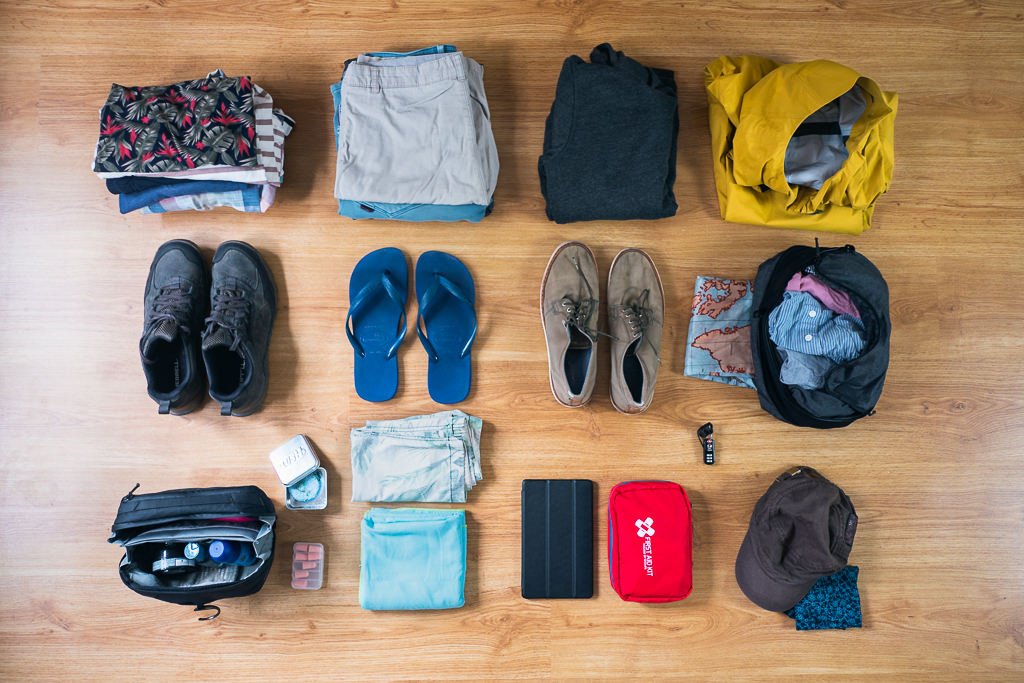
The core trick isn’t packing less stuff — it’s packing stuff that works together. I bring roughly:
- 2 pairs of pants/bottoms that pair with everything
- 5-6 tops in neutral, mixable colors
- 1 light jacket or layer
- 1 pair of versatile shoes, plus sandals if it’s a beach destination
- Underwear and socks for about 5 days (plan to wash mid-trip)
That’s genuinely enough for two weeks if everything mixes and matches. Color coordination matters more than you’d think here.
Plan to Do Laundry Once
This single habit changes everything about how much you need to pack. Most guesthouses and even budget hotels offer laundry service for a few dollars, or you’ll find a laundromat nearby. Washing clothes once around the halfway point of a two-week trip means you never need more than about 5 days of clothing at once.
Choose the Right Bag
A well-designed 35-45L carry-on backpack or rolling bag makes a bigger difference than people expect. Look for one with compression straps — they genuinely help fit more without adding bulk, and they keep clothes from shifting around loosely inside.
Packing Cubes Are Worth It
I resisted these for years, thinking they were an unnecessary gadget. I was wrong. Packing cubes compress clothing, keep things organized by category, and make unpacking at each new hotel dramatically faster. A set of 3-4 cubes costs very little and pays for itself within the first trip.
What to Leave at Home
- “Just in case” outfits — if you’re not sure you’ll wear it, you probably won’t
- Multiple pairs of jeans — heavy, slow-drying, and rarely necessary
- Full-size toiletries — travel-size or solid alternatives save real space
- A separate bag “just for shoes” — wear your bulkiest shoes on the plane instead
Toiletries and Electronics
Solid shampoo bars and toothpaste tablets have genuinely improved a lot in recent years, and they eliminate the liquid restrictions hassle entirely. For electronics, one universal adapter and a single multi-port charging cable cuts down on cord clutter significantly.
Weather-Proofing Your Light Pack
If your two-week trip spans multiple climates, layering becomes essential rather than packing separate outfits for each. A lightweight rain jacket that packs down small covers both unexpected rain and acts as an extra warmth layer if needed.
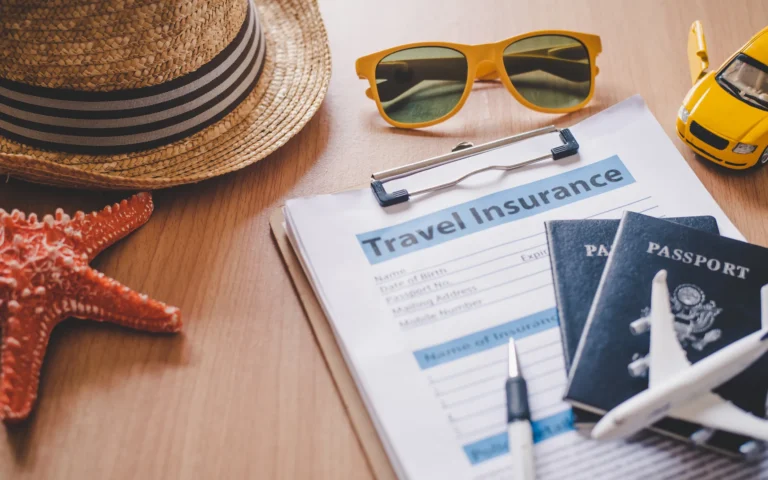
[link to related guide about travel insurance tips here]
FAQ
Can you really pack for 2 weeks in a carry-on? Yes, with a mix-and-match wardrobe and a plan to do laundry once mid-trip, a single carry-on is genuinely sufficient for most travel styles.
How many outfits do I need for a 2-week trip? Roughly 5-7 clothing pieces that mix and match cover a two-week trip comfortably, assuming one laundry cycle partway through.
Are packing cubes actually worth buying? Yes — they compress clothing, keep bags organized, and make unpacking significantly faster at each new destination.
What’s the biggest packing mistake travelers make? Packing “just in case” items that never get worn — stick to pieces you know you’ll actually use.
Should I pack shoes in my bag or wear them on the plane? Wear your bulkiest pair on the plane to save significant space and weight in your bag.
Conclusion
Learning to pack light for international travel isn’t about deprivation — it’s about being intentional with what actually earns a spot in your bag. Build a small, mixable wardrobe, plan for one laundry cycle, and invest in a couple of genuinely useful tools like packing cubes. Once you try it, dragging a giant suitcase through cobblestone streets will start to feel like something you did in a previous life.
Route Fit
Check whether the location, timing and travel pace match the way you actually want to move.
Proof Check
Verify live prices, entry rules, transport schedules and opening hours before committing.
Backup Tag
Keep one flexible alternative for weather, delays, sold-out inventory or changing local conditions.
Pack the decision, not unnecessary complexity.
Use this guide as a working travel file, then verify the few details that can change close to departure.

ehyperlinkinfo@gmail.com
Practical travel research focused on clearer routes, better stays and more confident local decisions.