What this travel file helps you decide
Jet lag used to wreck the first three days of every long trip I took. I’d land somewhere incredible and spend it half-asleep at 2pm, wide awake at 3am, completely disoriented. After a lot of trial and error — and honestly a fair bit of research — these…
Jet lag used to wreck the first three days of every long trip I took. I’d land somewhere incredible and spend it half-asleep at 2pm, wide awake at 3am, completely disoriented. After a lot of trial and error — and honestly a fair bit of research — these avoid jet lag strategies genuinely cut my recovery time in half.
What Actually Causes Jet Lag?
Quick answer: jet lag happens when your body’s internal clock (circadian rhythm) stays set to your departure time zone while your surroundings shift rapidly — the more time zones crossed, the more severe the mismatch, with eastward travel typically causing worse jet lag than westward.
Adjust Your Schedule Before You Fly
Start shifting your sleep schedule a few days before departure, in the direction of your destination’s time zone. Even a 30-60 minute shift per day for 2-3 days before flying gives your body a head start on the adjustment.
Light Exposure Timing Matters More Than Anything
This is the single biggest factor, based on both research and my own experience. Sunlight is the strongest signal your body uses to reset its clock. Getting outside in daylight at your destination — even for just 20-30 minutes — helps recalibrate faster than almost anything else.
- Morning light exposure helps if you need to shift your clock earlier
- Evening light exposure helps if you need to shift later
- Sunglasses can actually help you avoid light exposure at the “wrong” times if needed
Stay Hydrated, Skip the Alcohol
Cabin air is extremely dry, and dehydration makes jet lag symptoms noticeably worse. I know skipping the in-flight wine is a hard sell for some people, but alcohol disrupts sleep quality even more on a plane than it does on the ground, worsening the recovery timeline.
Set Your Watch Immediately
The moment you board the flight, switch your watch or phone to the destination time zone. It sounds small, but it mentally primes you to start operating on the new schedule rather than clinging to “home time” for the whole flight.
Strategic Napping (or Avoiding It Entirely)
If you land in the morning at your destination, try to power through until a reasonable local bedtime rather than napping — even though it’s genuinely hard. A short nap (under 30 minutes) is fine if you truly need it, but longer naps tend to backfire and delay adjustment.
- Land and immediately get outside if it’s daytime
- Eat meals on the destination’s schedule, not your body’s old schedule
- Push through until a normal local bedtime, even if it’s rough the first day
Should You Use Melatonin?
Many frequent travelers swear by a small dose of melatonin (0.5-3mg) taken close to the destination’s bedtime for the first few nights. It’s not magic, but it can help nudge your circadian rhythm along faster. As always, check with a doctor if you have any underlying health concerns before trying a new supplement.
[link to related guide about flight booking hacks here]
FAQ
How long does jet lag typically last? Roughly one day of recovery per time zone crossed, though light exposure and sleep management can shorten this noticeably.
Is eastward or westward travel worse for jet lag? Eastward travel is generally considered harder on the body, since it requires shortening your day rather than lengthening it.
Does melatonin actually help with jet lag? Many travelers find it helpful for nudging sleep timing, particularly for the first few nights at the new destination.
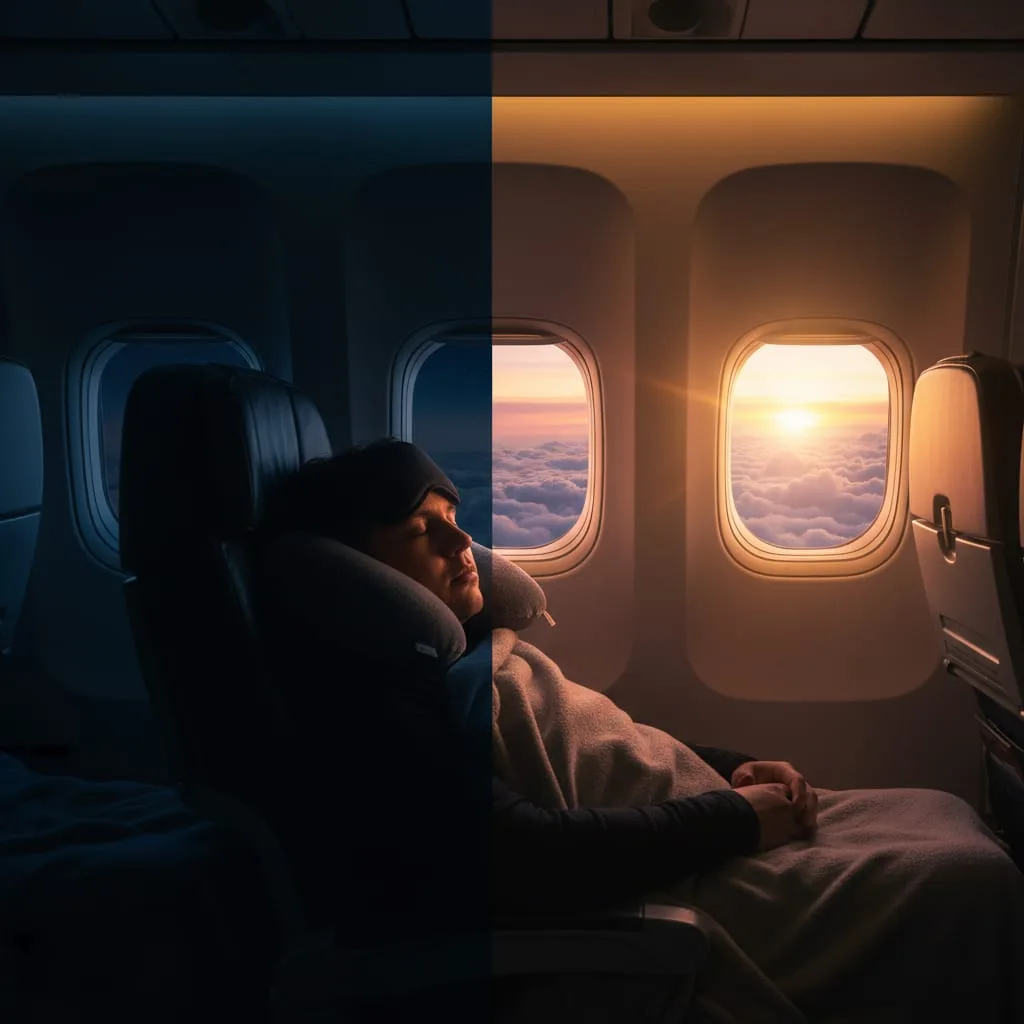
Should I sleep on the plane to avoid jet lag? It depends on your arrival time — sleeping on the plane can help if you’re landing in the morning at your destination, but disrupt things if you’re landing at night.
Does exercise help with jet lag recovery? Yes, light exercise like a walk in daylight after landing can help reset your body clock faster than staying sedentary.
Conclusion
Jet lag isn’t something you have to just accept as the cost of long-haul travel. A little pre-flight schedule shifting, smart light exposure once you land, and cutting back on alcohol in the air can genuinely avoid jet lag symptoms lingering for days. Try even two or three of these tips on your next long flight — the difference in how your first day feels is honestly bigger than most people expect.
Route Fit
Check whether the location, timing and travel pace match the way you actually want to move.
Proof Check
Verify live prices, entry rules, transport schedules and opening hours before committing.
Backup Tag
Keep one flexible alternative for weather, delays, sold-out inventory or changing local conditions.
Pack the decision, not unnecessary complexity.
Use this guide as a working travel file, then verify the few details that can change close to departure.

ehyperlinkinfo@gmail.com
Practical travel research focused on clearer routes, better stays and more confident local decisions.